
FAQs: Incentive Schemes for Gems & Jewellery Exporters under Foreign Trade Policy (FTP) 2023

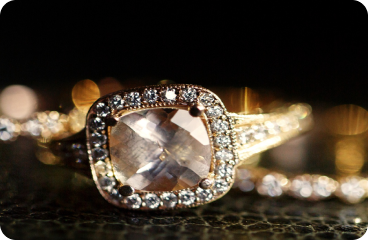
Introduction: The Foreign Trade Policy (FTP) offers several incentive schemes tailored for India’s Gems & Jewellery sector, including the diamond industry. These schemes allow jewellery exporters to import their raw materials (gold, silver, platinum, diamonds, etc.) duty-free (excluding GST/IGST and cess) for manufacturing export products. Special provisions are in place for gold jewellery (8 to 22 carat purity), diamond-studded jewellery, and even for import of small diamonds for the cutting and polishing industry. Below is a comprehensive FAQ explaining each relevant scheme – from Advance Authorizations to Replenishment and EPCG – in a formal yet accessible manner, including eligibility, procedures, and key rules (like value-addition requirements, wastage norms, and duty exemptions) for Gems & Jewellery exporters.
Q1: What types of Gems & Jewellery products can be exported, and are there special conditions for gold items?
A: The FTP permits export of a wide range of gems and jewelry products, with certain conditions for gold items. Eligible exports include:
- Gold Jewellery and Articles: Export of gold jewellery (plain or studded) is allowed, provided the gold used is of at least 8 carats purity and not more than 22 carats. This covers partly processed jewellery, gold medallions and coins (excluding legal tender coins).
- Gold Religious Idols: Exports of gold idols (depicting deities) of 8 carats and above are permitted, subject to strict conditions:
- 100% Quality Check: Every idol export must undergo 100% examination by an approved Government Valuer to verify its content and value.
- Quick Payment Realization: The foreign payment for the export must be realized within 3 months of shipment.
- Confirmed Export Order: Exporters need a confirmed export order in hand before shipping the idol.
- Distinct from Plain Articles: There must be a clear distinction between a genuine religious idol and a regular molded gold article – only bona fide idols qualify under this scheme.
- Manufacturers Only: Only actual manufacturers of such idols (not traders) are allowed to export them under this provision.
These conditions ensure authenticity and accountability in gold idol exports. Apart from gold, exports of cut and polished diamonds, gemstones, silver/platinum jewellery, and related articles are also encouraged, with supportive schemes discussed below.
Q2: How can Gems & Jewellery exporters obtain gold, silver, or platinum without paying import duties (through Nominated Agencies)?
A: Jewelry exporters have the facility to source precious metals duty-free through Nominated Agencies either in advance or as replenishment after exports. In practice, this means an exporter can get gold, silver or platinum from approved banks or agencies for producing export goods, without upfront customs duty on the metal. Key points include:
- Advance Procurement: An exporter may procure required gold/silver/platinum before making the export, from a nominated agency (like specified banks, MMTC, etc.). The metal is provided duty-free against the obligation that the exporter will use it to manufacture and export jewellery.
- Replenishment After Export: Alternatively, an exporter who has already shipped jewellery using their own precious metal stock can later obtain an equivalent quantity of gold/silver/platinum from a nominated agency as replenishment. This essentially replaces the metal that was used in the exports.
These transactions are governed by customs rules (e.g. Customs Notification No. 57/2000, as amended) to ensure proper usage. Exporters utilizing this facility must adhere to the prescribed wastage norms and minimum value-addition requirements for the jewellery manufactured. (Wastage norms limit the percentage of precious metal loss allowed in the manufacturing process, and value-addition norms ensure the export product’s value is sufficiently above the raw material value.) Notably, while basic customs duty on these precious metal inputs is exempt under this scheme, Integrated GST (IGST) and Compensation Cess are not exempted and remain payable as applicable. Using nominated agencies is a popular route for jewellery exporters since it streamlines sourcing of raw materials needed for fulfilling export orders.
Q3: What is a Gem Replenishment Authorization and how does it help jewellery exporters?
A: A Replenishment Authorization for Gems (often called a Gem REP license) is a facility that allows jewellery exporters to import gemstones (precious or semi-precious stones, including diamonds) duty-free after they have completed exports, in order to replenish the gems used or to procure gems for future production. Key features:
- Post-Export Import License: After exporting jewellery or related items, an exporter can apply to the Regional Authority (DGFT) for a Gem Replenishment Authorization. The license issued permits duty-free import of gems (like diamonds, rubies, etc.) up to a specified value, based on the exporter’s recent export performance.
- Freely Transferable: Unlike some other authorizations, the Gem Replenishment Authorization is freely transferable in the market. This means an exporter can sell the authorization to another importer if they choose, providing flexibility in utilizing the benefit.
- Coverage of Various Export Scenarios: An exporter is eligible for gem replenishment not only against direct exports but also against exports where the jewellery was made with material supplied by certain special means. For instance, exports made with gems supplied by a Nominated Agency (under the scheme in Q2) or even gems supplied by a foreign buyer can be considered for issuing a Gem REP license. This ensures exporters can replenish stones even if they didn’t originally purchase them, as long as those stones went into exported products.
- Determining the Entitlement: For jewellery that is studded with gems (e.g. diamond-studded gold jewellery), the value of the Gem Replenishment Authorization is calculated by deducting the value of the precious metal content (gold/silver/platinum) plus allowed wastage from the FOB value of the studded jewellery export. In other words, the entitlement roughly equals the value of the gemstones portion of the export product. This prevents overlap with any schemes that already covered the metal value, ensuring the replenishment license truly corresponds to the gem content.
- Appendix & Rates: The specific replenishment rates (what percentage of export value can be imported as gem inputs) are provided in Appendix 4F of the Handbook of Procedures. Exporters can refer to these rates to know how much import value they can get per rupee of exports.
In summary, the Gem Replenishment Authorization helps gem and jewellery exporters maintain or increase their stock of precious stones without incurring import duties, based on their proven export track record.
Q4: How can jewellery manufacturers import essential consumables duty-free (e.g. tools, supplies) for production?
A: Apart from raw materials like precious metals and gemstones, the Gems & Jewellery sector also uses various consumables and small tools in manufacturing (think of items like earring clasps, jewelry findings, polishing materials, packaging, etc.). The FTP provides a Replenishment Authorization for Consumables that enables duty-free import of such items, up to certain limits, based on the exporter’s past export performance. Key details are:
- Eligible Consumables/Items: This covers consumables, tools, and other incidental items used in jewellery making. Examples given include tags and labels, security sensors on cards, staple wires, poly bags, etc., used for packing and finishing jewellery. (It does not cover gold or platinum as those are raw materials, but rather ancillary materials. Silver is also usually treated as a raw material rather than consumable in this context.)
- Entitlement Limits: The duty-free import value allowed is a percentage of the FOB value of exports in the preceding financial year, as certified by a Chartered Accountant. The percentage varies by product category:
- For jewellery made of precious metals other than gold or platinum (e.g. silver jewellery) – up to 2% of last year’s export value can be imported as eligible consumables.
- For cut and polished diamonds, and jewellery made out of gold or platinum – up to 1% of the previous year’s export FOB value is allowed as duty-free import of consumables.
- Special case: If the exporter deals in rhodium-finished silver jewellery (silver jewellery that is plated with rhodium), the entitlement is higher – 3% of the FOB value of such exports. This recognizes that rhodium plating requires specific consumables and incurs extra cost, hence a higher import allowance.
- Authorization Conditions: The consumables import authorization is issued with an “Actual User” condition and is non-transferable. This means only the exporter who receives the license can use it to import the goods (they cannot sell this license to someone else), ensuring the duty-free items are used in-house for manufacturing.
- Application Process: To obtain this Replenishment Authorization for Consumables, an exporter must apply online to the DGFT’s Regional Authority using the form ANF-4H, along with a Chartered Accountant’s certificate detailing the past export performance (FOB value of exports in the previous year). The Regional Authority, upon verification, issues the authorization specifying the maximum value (in ₹ or foreign currency) of consumables that can be imported duty-free.
By using this scheme, jewellery manufacturers can save costs on important production inputs like tools and packaging materials, proportionate to their export output, thereby boosting their competitiveness. Remember that while basic customs duties on these imports are waived, IGST/GST on these items would still be payable since the exemption under this scheme does not cover those taxes.
Q5: What are the benefits of the Advance Authorization scheme for precious metals in the Gems & Jewellery sector?
A: The Advance Authorization (AA) scheme allows gems and jewellery exporters to import inputs before export without paying customs duty, against an obligation to later export finished goods. In the context of precious metals, a special Advance Authorization is available to import gold, silver or platinum for making jewellery. Here’s how it works for the jewellery sector:
- Duty-Free Import of Precious Metals: Exporters can import gold, silver, and platinum of specified purities duty-free (basic customs duty exempt) under an Advance Authorization, to be used in the manufacture of jewellery for export. For quality control, the scheme stipulates minimum purities for imports – e.g. gold of at least 99.5% purity, silver at least 99.5%, and platinum at least 90% purity are allowed. The authorization also covers alloys, mountings, findings, and other components containing these precious metals (such as gold alloys of 8 carats and above, silver or platinum components with substantial precious metal content).
- Pre-Import & Actual User Condition: This is a pre-import scheme – meaning the authorization is issued before export and the inputs must be imported first, then processed into export products. It comes with an “Actual User” condition, i.e., the importer must use the imported metals in their own manufacturing and cannot transfer or sell the raw materials as such. The finished jewellery, after meeting the export requirement, can be sold abroad (and even in domestic market post-fulfillment of export obligation, if rules permit).
- Export Obligation (EO): An Advance Authorization carries a mandatory export obligation – the company must export the finished jewellery/products with a value equivalent to (or greater than) the imported inputs plus the required value addition. The FTP prescribes how this EO is calculated and the time-frame (typically within 18-24 months) to fulfill it as per the Handbook of Procedures. Essentially, the duty-free import is given in anticipation of future exports, and those exports must indeed happen to avoid penalties.
- Value Addition Requirement: Exporters using AA must achieve a minimum Value Addition (VA) in the final product. Generally under Advance Authorization, a 15% value addition is required (i.e., the export’s FOB value should be at least 15% higher than the cost of imported inputs). However, the gems & jewellery sector has special norms given the inherently high value of raw gold/diamonds relative to the making charges. The FTP 2023 refers to these sector-specific norms in the Handbook of Procedures. For instance, the value addition on plain precious metal jewellery could be lower than 15% (since gold content is the majority of the value). The exact formula is VA = [(FOB value of export – CIF value of imported inputs)/CIF value of inputs]×100%. (Note: Under the separate Diamond Imprest scheme for cut diamonds, a 10% VA is mandated – see Q8).
- Duty Coverage: The Advance Authorization for precious metals exempts basic customs duty on the import of gold/silver/platinum. Importantly, IGST and Compensation Cess are typically excluded from this exemption (unless a specific budgetary extension or notification grants IGST relief, which is subject to change). This means that while no customs duty is paid on import of the metals, the importer may still need to pay IGST at import (which can later be claimed as ITC/refund as per GST rules).
- Not Permitted for Certain Exports: The scheme cannot be used for two specific scenarios:
- If the export product is gold medallions or coins, and
- If the jewellery/articles are manufactured by a fully mechanized process.
- Wastage Norms: Manufacturers must adhere to prescribed wastage norms for precious metals. This means there is a maximum limit to the weight loss or manufacturing waste allowed when converting raw gold/silver/platinum into finished jewellery. For example, if an exporter imports 1000 grams of gold, they must export jewellery accounting for most of that gold – only a small percentage can be lost as wastage. (The Handbook of Procedures Para 4.59 specifies the exact percentage allowances for wastage for gold, silver, platinum, which differ based on the type of jewellery and process). Any excess loss beyond the norm could attract duty on the differential.
Overall, the Advance Authorization for precious metals is a cornerstone scheme for gems and jewellery exporters – it significantly reduces upfront costs by waiving import duties on gold, silver, and platinum, while ensuring that exporters indeed add value and earn foreign exchange through their jewellery exports.
Q6: What is the Duty Free Import Authorization (DFIA) scheme and can Gems & Jewellery exporters utilize it?
A: The DFIA scheme is another duty exemption scheme under FTP that is somewhat like a “cousin” to Advance Authorization. However, it operates on a post-export basis and has some distinct features. Gems & Jewellery exporters can use DFIA if their products meet certain criteria. Key points are:
- Post-Export Scheme: Under DFIA, the exporter first ships the goods and then, based on the export, gets an authorization to import inputs. In other words, DFIA is issued only after completing the exports (hence “post-export”). This differs from Advance Authorization which is given prior to exports.
- Standardized Norms Required: DFIA can only be availed for export products that have Standard Input-Output Norms (SION) notified. SION provides a standardized bill of materials – it specifies how much input is deemed necessary for producing a unit of output. For many jewellery and gemstone products, SION exists (for example, norms may specify how many grams of gold are allowed per 10g of jewellery exported, etc.). If a jewellery export item doesn’t have an official SION and requires a “self-declared” norm, DFIA cannot be used in such cases. Also, if any input in the SION is subject to an actual user or pre-import condition, DFIA will not be issued for those inputs.
- Duty Exemptions: A DFIA license, once obtained, permits duty-free import of inputs, oil, energy sources, or catalysts used in the production of the exported product. However, only Basic Customs Duty is exempted. Importantly, IGST (Integrated GST) on the imports under DFIA is not exempt and must be paid by the importer. (This is a critical difference – so an exporter should be prepared to pay IGST on import and later claim input credit or refund as applicable).
- Minimum Value Addition: The DFIA scheme mandates a higher minimum value addition than Advance Authorization. At least 20% value addition is required for DFIA. (In comparison, as noted, Advance Authorization generally requires 15% VA). For the Gems & Jewellery sector, achieving 20% VA can be challenging due to high intrinsic raw material value, but if an exporter uses DFIA, they must meet this criterion. The calculation of VA is similar: ((FOB export – CIF import of inputs) ÷ CIF import) ×100.
- Transferability: One attractive feature of DFIA is that once the export obligation is fulfilled and the authorization is issued, the DFIA is transferable on the open market. This means the exporter could sell the DFIA license to another importer if they wish. For example, a jeweller who earned a DFIA might sell it to a bullion importer or another manufacturer. This provides flexibility; in practice, some exporters use DFIA to monetize the duty-free benefit by selling the license rather than importing themselves. (Advance Authorizations, by contrast, are non-transferable and tied to the actual user).
- Validity and Utilization: To use DFIA, an exporter must apply for a DFIA before starting the exports (an online application to DGFT to get a file number) and then complete the exports within 12 months. After exports, the DFIA license is issued, valid for 12 months for making duty-free imports. No revalidation (extension) is typically granted, so the importer should utilize it within that timeframe. Each DFIA is issued for a specific export product/SION, and separate DFIAs are needed if multiple SION products are exported.
In summary: Gems & Jewellery exporters can use DFIA if their export product has a standard input-output norm and they are able to add 20% value. For example, an exporter of studded gold jewellery (with a notified SION) could export the product, then obtain a DFIA to import gold and gemstones duty-free for future use. They would still pay IGST on those imports but save on basic customs duty. Many jewellery exporters, however, opt for Advance Authorizations or the replenishment schemes (Q2–Q5) because those cater specifically to immediate needs of the sector (like obtaining precious metals upfront). DFIA remains an option for those who prefer a post-export, transferable benefit route.
Q7: How can Gems & Jewellery businesses upgrade their production equipment duty-free under the EPCG scheme?
A: The Export Promotion Capital Goods (EPCG) scheme is a general export incentive that gems and jewellery manufacturers can also take advantage of to modernize their production. Under EPCG, exporters are allowed to import capital goods (machinery, equipment, tools, dies, etc. used in manufacturing or services) at zero customs duty, against an obligation to boost exports using those goods. Here’s how it benefits the Gems & Jewellery sector:
- Duty-Free Machinery Imports: Jewellery manufacturers can import capital machinery for various purposes – for example, advanced casting machines, CNC machines for cutting designs, modern polishing and finishing equipment, etc. – without paying the usual import duty. EPCG slashes the customs duty to 0% on eligible capital goods imports. This lowers the cost of acquiring state-of-the-art equipment needed to produce high-quality jewellery or to increase production capacity. (Domestic sourcing of such machinery is also allowed under EPCG through invalidation, where the local supplier gets benefits in lieu of export, but the exporter effectively gets it duty-free.)
- Export Obligation: In return for this duty waiver, the exporter commits to an Export Obligation (EO). The standard EO under EPCG is to export goods worth six times the duty saved on the capital goods, within a period of 6 years from the date of issue of the EPCG license. For example, if a diamond polishing firm imported a cutting machine saving ₹10 lakh in duties, it must generate at least ₹60 lakh in export FOB value from its products within 6 years. This ensures that the scheme is used to genuinely enhance exports. There is also a requirement to maintain average exports: the firm’s export performance should at least stay at past levels (average of previous three years) in addition to meeting the new EO. (Small note: certain sectors like handicrafts, agriculture etc. are exempt from maintaining this past average, but gems & jewellery is not exempt from average EO, so they must maintain it).
- Validity and Procedure: The EPCG authorization is valid for 24 months for importing the machinery. An application (ANF 5A form) needs to be filed with DGFT, along with details of the machinery and a rough plan of how the EO will be fulfilled. Once approved, the license is issued and the firm can import the machine(s). After import, within a prescribed time (usually 6 months), the firm must install the machinery and obtain an Installation Certificate from a chartered engineer or jurisdictional Customs officer, confirming the machine is operational in the unit. Over the next few years, the firm uses the machinery and fulfills the export obligation. Progress is reported, and once the required exports are done, they can request closure (redemption) of the EPCG authorization with the DGFT.
- Flexibility: The exports to fulfill EPCG EO can be of any product manufactured by the firm (not necessarily the same products for which machinery was imported, though typically they are related) and can even include deemed exports (supplies to certain domestic projects considered as export). Interestingly, exports made under other schemes like Advance Authorization, DFIA, Drawback, RoDTEP etc. count towards the EPCG obligation as well. This is helpful for jewellery exporters who often use multiple schemes in tandem – their exports can serve dual purposes (e.g., fulfill AA requirements and also count for EPCG).
- No IGST Exemption: Similar to other schemes, currently the EPCG scheme’s duty-free benefit covers customs duties on capital goods but does not automatically exempt IGST. Importers have had to pay IGST on capital goods imports under EPCG in recent times (with some refund mechanisms or bonds in place). The policy in the handbook emphasizes duty savings primarily in terms of basic customs duty.
- Example: Suppose a Surat-based diamond cutting factory wants to import an advanced laser cutting machine costing ₹1 crore, which would normally attract 5% basic duty + IGST. Under EPCG, the 5% basic duty is waived (saving ₹5 lakhs). The firm then needs to export additional diamonds or jewellery worth 6×₹5 lakhs = ₹30 lakhs over 6 years – quite achievable given the long timeframe – to fulfill the EO. The IGST on import would still be payable but can be claimed as input tax credit. The net effect is the firm gets the machine cheaper upfront, boosting its efficiency and output, which in turn should help it meet the export targets.
For a gems & jewellery business, EPCG is especially useful when investing in expensive equipment like automated machines for mass production of jewellery or high-precision instruments for cutting and polishing gemstones. It eases the financial burden of technology upgrade, provided the business is confident of scaling up exports.
Q8: What is the Diamond Imprest Authorization (DIA) and who in the diamond industry can benefit from it?
A: The Diamond Imprest Authorization (DIA) is a special scheme under the FTP aimed at supporting India’s diamond cutting and polishing industry. “Imprest” in this context refers to an advance given – here, it allows import of diamonds in advance of exports, specifically tailored for cut and polished diamonds. Key features of the DIA are:
- Import of Small Diamonds Duty-Free: Diamond Imprest Authorization permits approved diamond exporters to import natural cut and polished diamonds (including semi-processed diamonds, half-cut or broken pieces) duty-free, as long as each such diamond is 0.25 carat or smaller (i.e. 25 cents or below in weight). These small diamonds are often needed for certain jewellery pieces or for assortment and re-export in parcels. By allowing duty-free import, the scheme helps maintain supply for exporters without heavy upfront cost.
- Export Obligation with Value Addition: Against the import of these diamonds, the authorization holder must fulfill an export obligation by exporting finished cut and polished diamonds of equivalent or greater value. Specifically, the exporter must achieve a minimum 10% value addition on the diamonds. This means the export earnings should be at least 10% higher than the cost of the imported diamonds. The value addition must be realized in free foreign exchange (i.e., the proceeds from exports must come in foreign currency, not rupees) within the time frame specified by DGFT for the scheme. Essentially, if an exporter imports $1,000 worth of small diamonds under DIA, they need to export polished diamonds that fetch at least $1,100 in payment, meeting the 10% VA criterion.
- Time-Bound & Specific Use: The DIA is time-bound (the export obligation has to be fulfilled within a set period as per the license, often within 1-3 years). It is also an actual-user tied scheme, meaning the imported diamonds have to be handled and processed by the authorization holder and cannot be sold as raw material. The purpose is strictly to enable processing (such as cutting, polishing, assorting) and then re-export.
- Excludes Lab-Grown Diamonds: The Diamond Imprest scheme explicitly excludes Lab Grown Diamonds (LGDs). It applies only to natural diamonds. This distinction is important as lab-grown diamonds are a growing segment of the industry; however, they are not covered under this particular duty-free import scheme and likely have different policy considerations. Natural diamond exporters cannot use DIA for any synthetic stones.
- Industry Usage: This scheme is particularly beneficial for diamond traders and processors in hubs like Surat and Mumbai, who import parcels of small rough or partially processed diamonds, perform cutting and polishing or sorting to add value, and then export the finished diamonds. By giving them a window to import without duty, it improves liquidity and inventory management. The 10% value addition requirement ensures that the country gains net foreign exchange and that the importer indeed adds some manufacturing value (even if it’s just further polishing or grading the diamonds).
In summary, the Diamond Imprest Authorization is a tailored advance authorization for the diamond segment, allowing import of small natural diamonds duty-free with a modest value-add export obligation. It helps the industry procure necessary raw material diamonds on a consignment basis, process them, and export the higher-value output. Firms utilizing this scheme must be diligent in tracking imports and exports to meet the 10% value addition and must ensure compliance within the allowed period to avoid penalties. This scheme bolsters India’s status as a global cutting and polishing hub by easing raw material imports for exporters.
Conclusion: The Gems & Jewellery sector enjoys several supportive schemes under India’s Foreign Trade Policy. From duty-free import of gold and diamonds to incentives for importing machinery, these measures are designed to make our jewellery and diamond exports globally competitive. Exporters should carefully choose the schemes that best fit their business model – whether it’s an advance authorization for immediate imports, a replenishment license post exports, or capital goods under EPCG – and ensure they meet all specified criteria (such as export obligations, value addition, and wastage norms). When used effectively, these incentives can significantly reduce costs and bolster the profitability of jewellery exports, all while complying with the governing rules. Always consult the latest Handbook of Procedures and relevant DGFT notifications for up-to-date operational guidelines.
Limitation: Views expressed in this blog are personal views of the author. This blog is for educational purpose as part of knowledge sharing and should not be construed as opinion of the author on the subject.